So here's a small intermediate step.
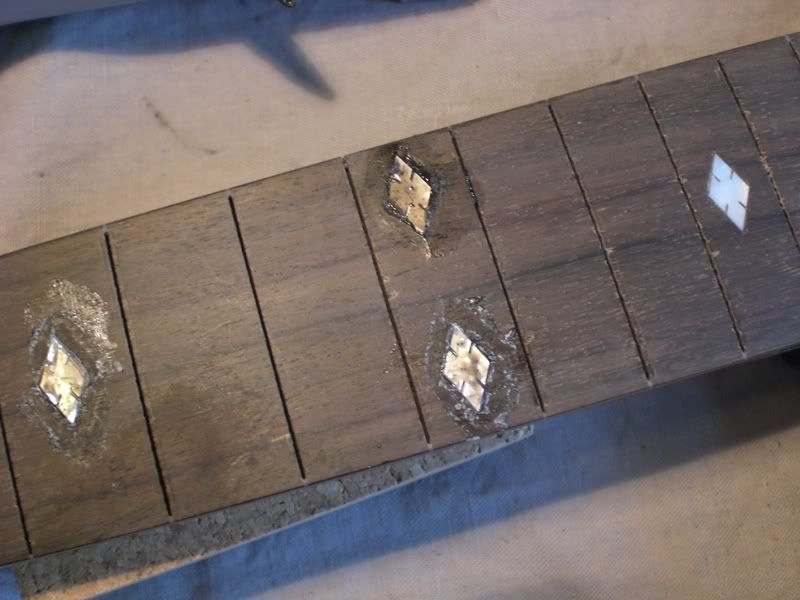
to an old Johnson Baltimore Müllklampfe that somehow still standing around, I have the weekend (quite successfully in fact) made my first attempts at inlay work.
On my order with great StewMac I ordered it pre Diamonds.
The first thing I've sorted and labeled them so I know later how to be fitted.

then glued the squares with glue on the points in order to outline it. At the first session I had außreichend lighting, you should take care of but in any case, very good lighting. The time up front. And you better not make the outline with a scalpel, even if we think that so you can work very fine, because that is not really stiff enough.
come Then again, the inlays and the millings are made.
is first with a very fine mill (0.3 mm) milled with the chalk outline made visible, then removed the inner material. The most important thing here is patience, not to high speed and good preparatory work (glue / Outline).

Each individual is measured in thickness and adjust the drilling depth to it. It should MMN after gluing all look out rather a 1 / 10 mm, than to sink deep in the fretboard, as the need to grind behind everything again for the inlays to the fingerboard
are flush. Again and again you can interrupt the drilling-and look to be worn out already still has. The more one removes, the more visible to the bond is later.

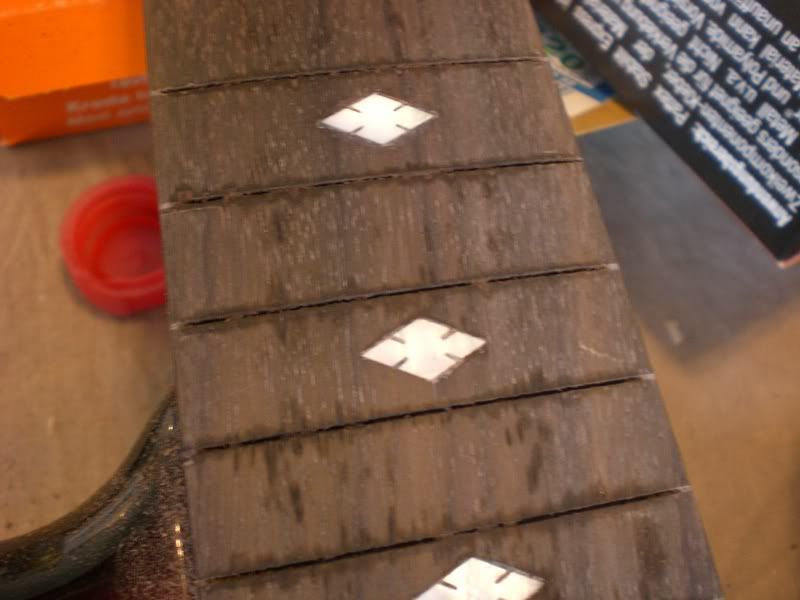
Then I Pattex with stability, a 2-component adhesive (similar to super glue) to acrylic which cures harder than 2K epoxy adhesive, glued the inlays. The glue is brownish, which meets on a brown wooden handle a board.

At the first session I had glued the top 4 frets and the glue is mixed with Palisanderstaub, then the second a little black pigment added, in order to tint the adhesive further. Dear one or two shades darker than the fretboard, then you do not see the adhesive Sun In ebony no problem at Rosewood, however difficult.

connecting ground off and happy. Has become quite good. My Fräßskills I can definitely further expand, and this can already be seen.


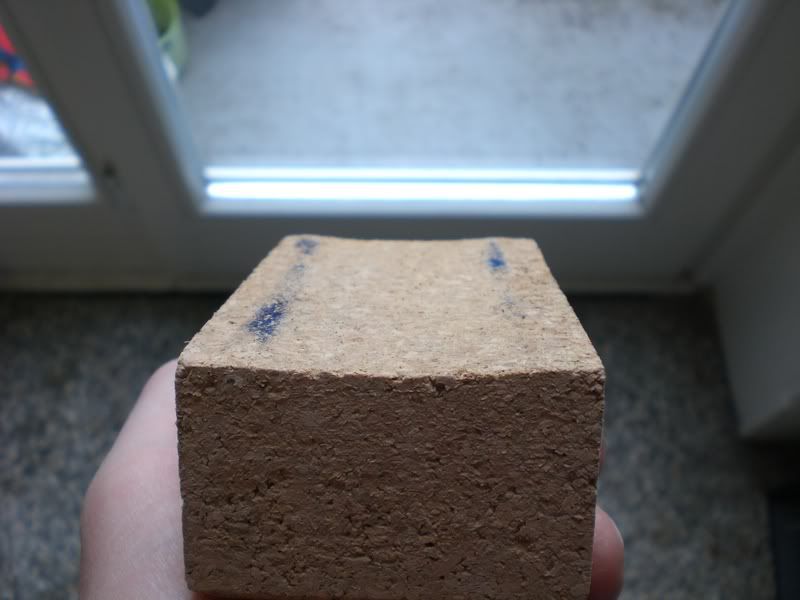
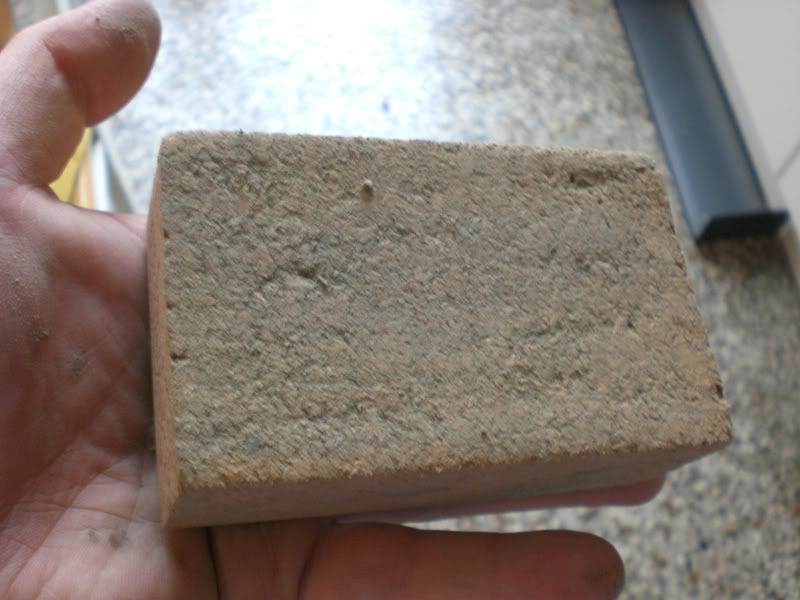
I have to rest in a Korkklotz a radius sanding block self-made. First I have put 320s
sandpaper on the fretboard to first rude to come in the right direction. Then I got on the end of the fingerboard fixed carbon and thus block the job on the grinding marks, the rest. This then so far I have filed down and polished until the block rested evenly.


0 comments:
Post a Comment